
Lightweight Duct vs Sheet Metal Ducting | Vic Air
Blog | 20 Aug 2026 |
AT A GLANCE
Lightweight duct board and sheet metal both have a place in commercial HVAC projects, but they suit different jobs. This guide compares performance, install time, and acoustic and thermal behaviour, and covers when each material is the better specification for commercial and multi-res builds. Vic Air supplies and fabricates both from a single source.
How the two materials perform
Weight and handling.
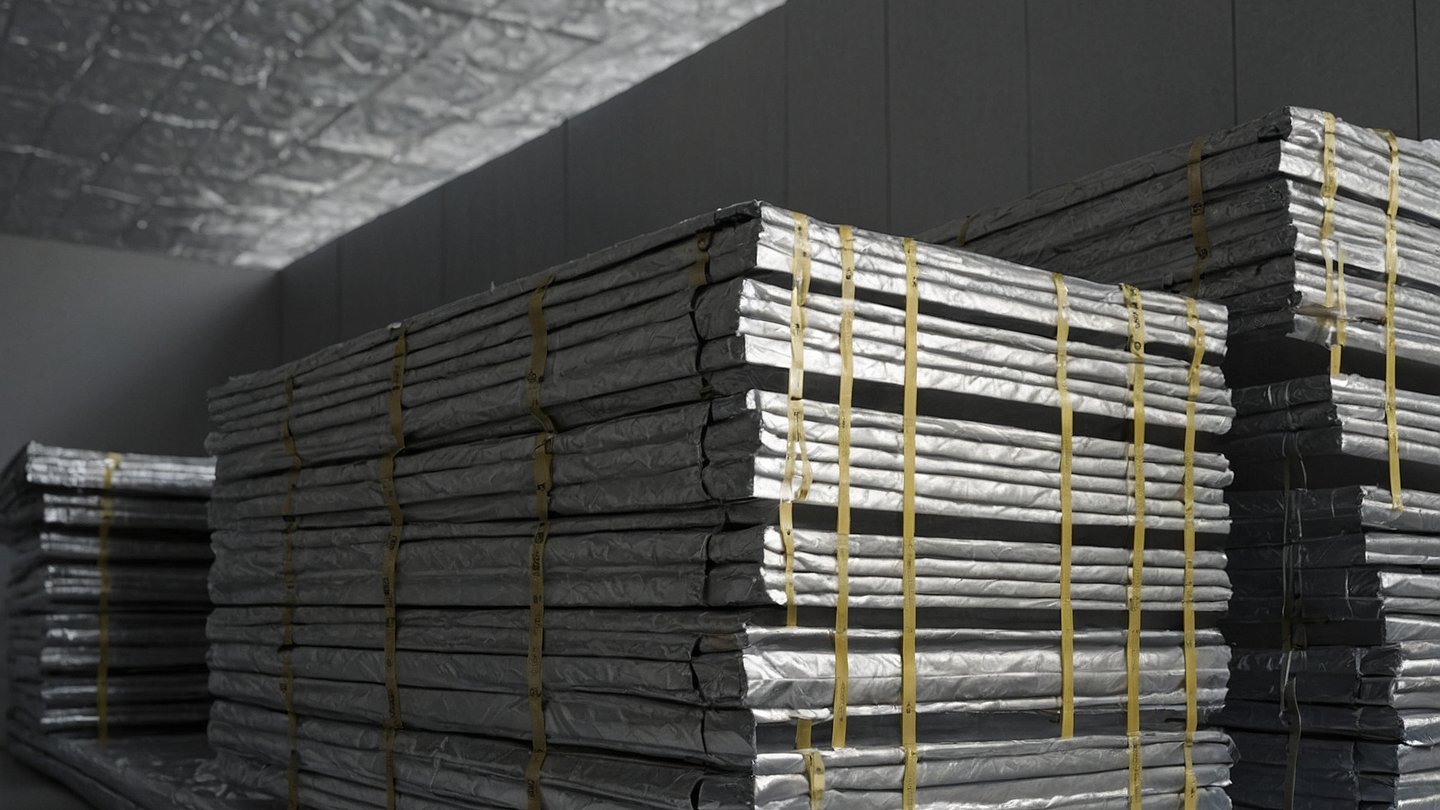
Pre-insulated polyurethane duct board is significantly lighter than galvanised sheet metal, which reduces handling time on site and can lower installation labour on larger runs.
Thermal performance.
Duct board carries its insulation within the material itself, while sheet metal needs separate external wrap or internal lining to reach the same thermal performance.
Acoustic performance.
Duct board's denser core structure tends to attenuate airborne noise more effectively than bare sheet metal. However, sheet metal can have acoustic insulation fitted internally to reduce potential noise, closing much of that gap.
Install time.
Lightweight duct board sections are quicker to cut, join, and fit than sheet metal, which typically needs on-site fabrication support for transitions and custom runs. However, sheet metal can have acoustic insulation fitted internally to reduce potential noise.
Compliance considerations for each material
Both materials need to meet AS 4254 requirements for ductwork on air-handling systems, covering construction, sealing, and pressure class ratings. Duct board manufacturers publish pressure class limits that need to be checked against project design pressures before specification. Sheet metal has a wider pressure class range and suits higher-pressure systems where duct board reaches its performance ceiling.
Which projects suit which material
Lightweight duct for multi-res and refurbishment work.
Duct board's lighter weight and faster install time suit multi-residential builds and refurbishment projects, where access is often tighter and program timelines are shorter.
Sheet metal for large commercial and high-pressure systems.
Larger commercial systems, higher design pressures, and projects involving commercial kitchens or carparks call for sheet metal, particularly where project specifications involve fire ratings.
Hybrid approaches.
Some commercial projects use sheet metal for main runs and risers, then transition to lightweight duct for branch runs into individual tenancies or apartments, balancing performance against cost and install time.
Cost and program considerations
Material cost is only one part of the comparison. Sheet metal typically costs more per metre than duct board, but the total project cost depends heavily on install time, fabrication needs, and program length.
Labour and program impact.
Duct board's lighter weight and simpler jointing can reduce install labour on long straight runs, which matters most on projects with tight construction programs.
Fabrication lead time.
Sheet metal transitions and custom fittings often need fabrication before they reach site, while duct board can sometimes be cut and fitted directly on the job.
Long-term durability.
Sheet metal generally holds up better under repeated physical contact and in service spaces with higher foot traffic, which can offset a higher upfront cost over the life of a system.
Weighing these factors against the project's specific access, program, and design pressure requirements is usually more useful than comparing material cost alone.
Specifying commercial ducting supplies in the same factory
Vic Air supplies and fabricates both lightweight duct and sheet metal ductwork from a single source, so contractors don't need to manage two separate suppliers on a project that uses both materials.
For help working out which material suits a specific project, or a mix of both, our HVAC estimation service can provide project-specific guidance and costing before construction begins.
Full technical requirements for both materials are set out in AS 4254.2 Ductwork for Air-Handling Systems, published by Standards Australia.
FAQs
Q. Is lightweight duct board as durable as sheet metal?
Duct board is durable within its design pressure range, but sheet metal generally handles higher pressures and more physical impact, which suits larger or higher-pressure commercial systems.
Q. Can lightweight duct and sheet metal be used in the same system?
Yes. A hybrid approach is common, using sheet metal for main runs and risers and lightweight duct for branch runs into individual tenancies or apartments.
Q. Does lightweight duct need extra insulation like sheet metal does?
No. Duct board carries its insulation within the material itself, while sheet metal usually needs separate external wrap or internal lining to match that performance.
Q. Which material is faster to install on a commercial project?
Lightweight duct board is generally quicker to cut, join, and fit, while sheet metal often needs on-site fabrication support for custom transitions and runs.
Q. Does Vic Air supply both materials, or only one?
Vic Air supplies and fabricates both lightweight duct board and sheet metal ductwork, so contractors can source both materials from a single supplier.
Get in touch
Vic Air supplies and fabricates lightweight duct and sheet metal ductwork for commercial and multi-res projects across Victoria. Contact our team to discuss which material suits your next project.
Get in touchRecent
-
Commercial Ducting Supplies Melbourne | Vic Air
26 Aug 2026 -
HVAC Estimation Service for Commercial Contractors | Vic Air
26 Aug 2026 -
iZone for Multi-Res & Commercial Builds | Vic Air
20 Aug 2026 -
In-House Sheet Metal Fabrication Melbourne | Vic Air
20 Aug 2026 -
Lightweight Duct vs Sheet Metal Ducting | Vic Air
20 Aug 2026 -
Ducted Air Conditioning No Roof Cavity | Vic Air Supplies
14 Jul 2026 -
Replacement Ducted Heating Vents Melbourne | Vic Air Supplies
14 Jul 2026 -
Linear Slot Diffuser Specification Guide | Commercial HVAC Melbourne | Vic Air
10 Jun 2026 -
Compact Comfort for Architectural Homes | Vic Air
10 Jun 2026 -
iZone Air Conditioning Melbourne | New Home Build Specification Guide | Vic Air
6 May 2026
Categories

© Copyright 2025 Vic Air Supplies | Websites with MOBLE